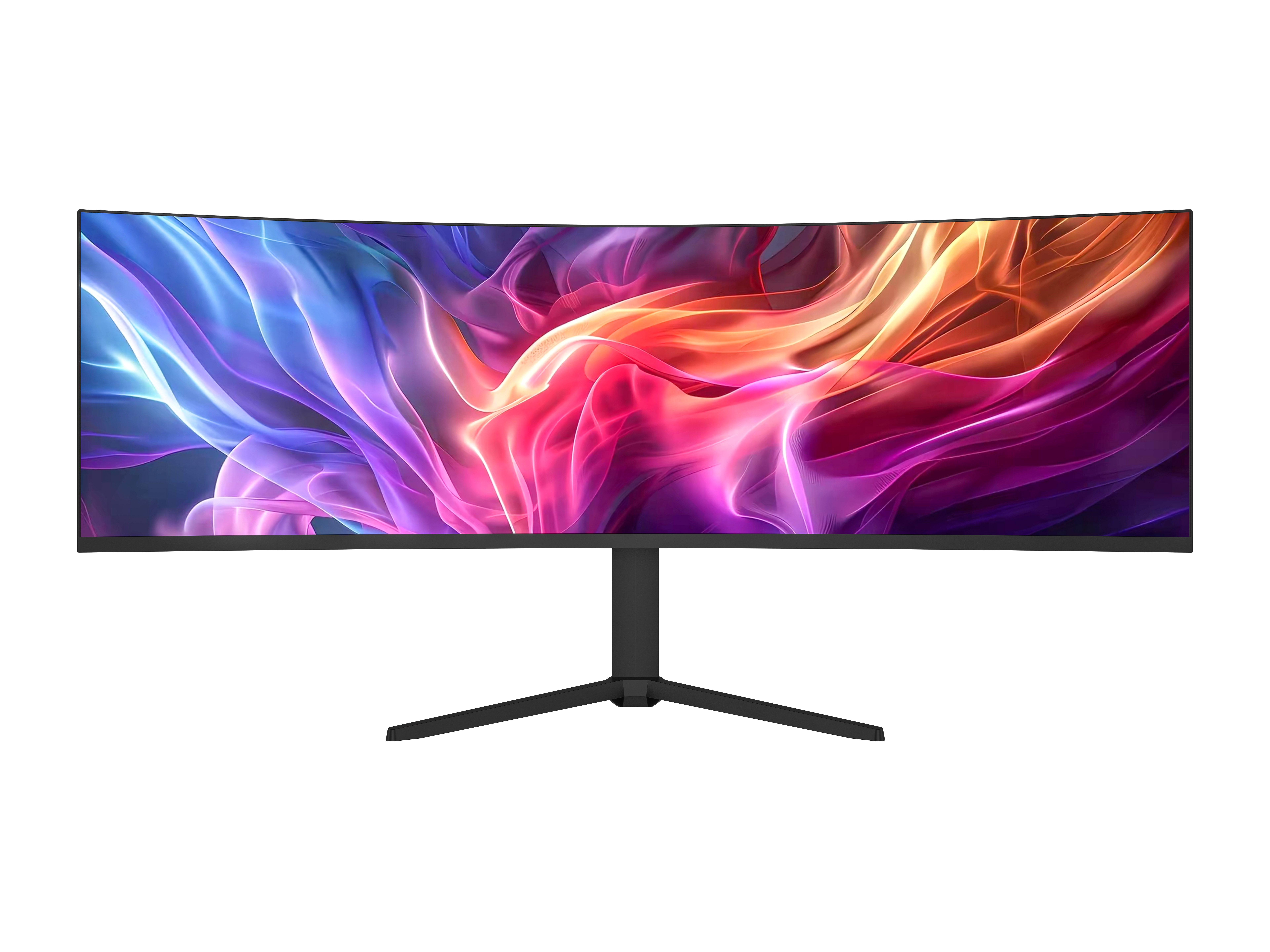
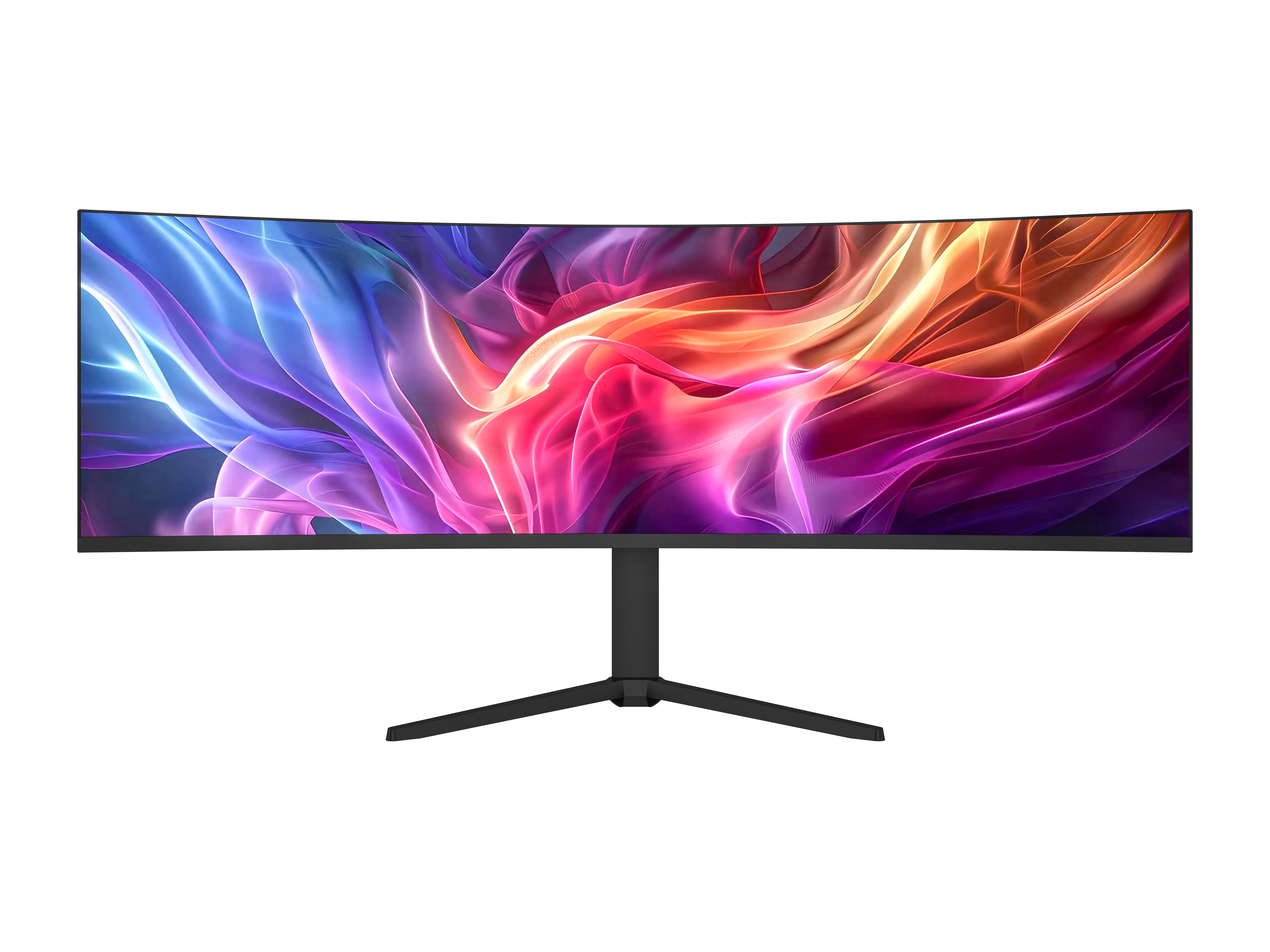
Shenzhen, Guangdong Mar 14, 2026 (Issuewire.com) - In the rapidly evolving landscape of visual technology, the role of an ODM Desktop PC Monitor Factory from China has transcended simple assembly to become a cornerstone of global hardware innovation. As the primary interface between users and their digital environments, the Desktop PC Monitor is no longer just a peripheral; it is a critical tool for professional creative work, high-stakes e-sports, and streamlined corporate productivity. Whether deployed in mission-critical CCTV monitoring rooms or high-end gaming setups, the demand for superior panel performance and structural reliability has never been higher. At the epicenter of these industry shifts is COMPUTEX Taipei, where the worlds leading original design manufacturers showcase the next generation of display solutions.
The Pulse of COMPUTEX Taipei: A Battlefield for Global Display Standards
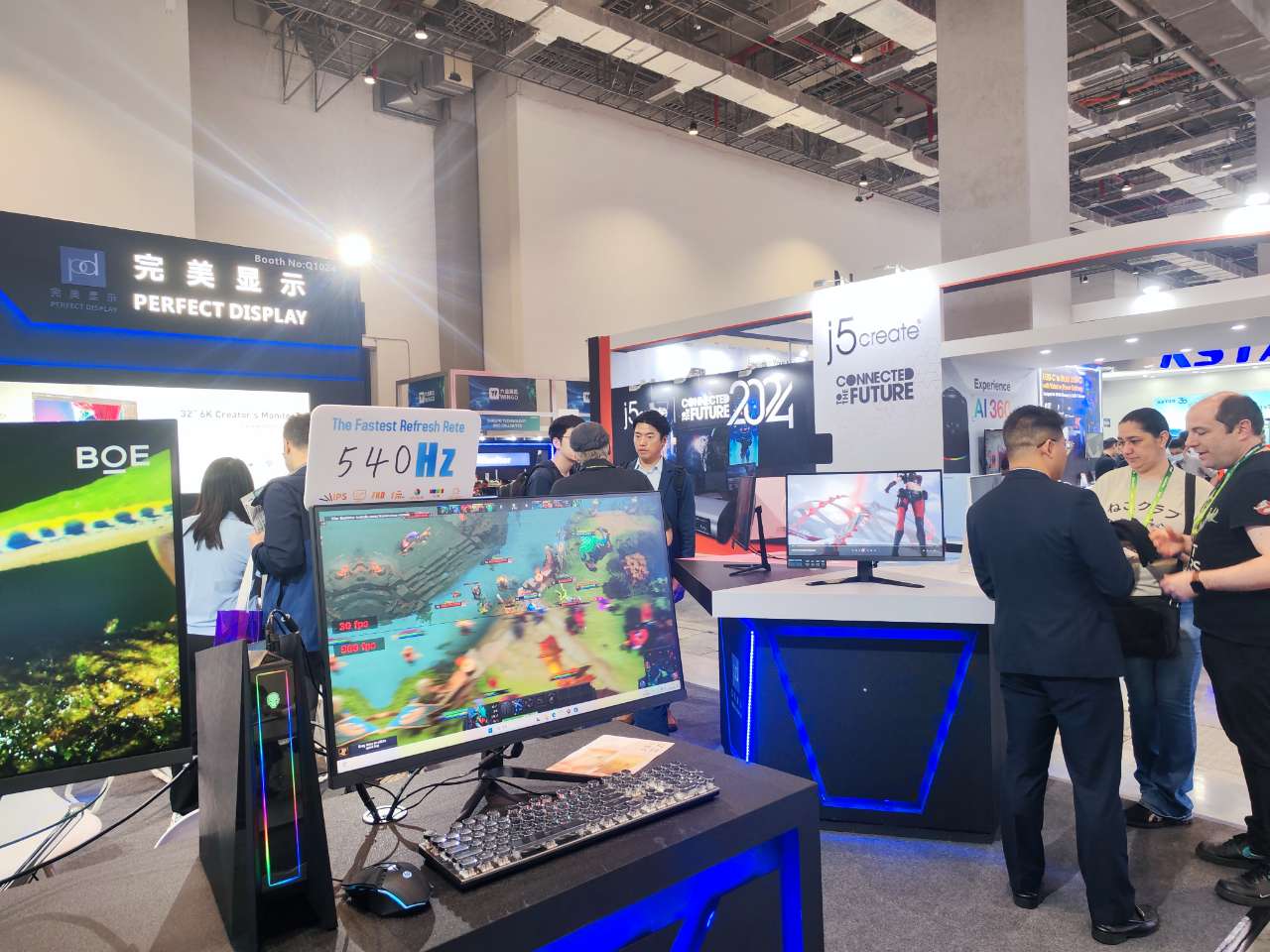
COMPUTEX Taipei serves as one of the worlds three major IT exhibitions, acting as a definitive barometer for AI hardware and peripheral trends. The 2024 and 2025 editions have underscored a pivotal shift toward AI-enhanced visual processing, ultra-high refresh rate gaming, and green, sustainable manufacturing. Amidst this high-tech convergence, Perfect Display Technology Co., Ltd. (PERFECT DISPLAY) established a significant presence, positioning itself not just as a participant, but as a leading force challenging global quality benchmarks.
As a national high-tech enterprise based in Shenzhen and Huizhou, the companys showcase at COMPUTEX Taipei highlighted a distinct evolution in the "Made in China" narrative. Moving beyond the traditional role of a low-cost supplier, the brand demonstrated its capacity as a professional LED monitor provider capable of meeting the stringent demands of international markets through advanced engineering and design.
R&D and Design: The Shift from Public Tooling to Original Identity
A common critique of many small-to-medium Chinese ODM factories is their reliance on "public tooling." This practice leads to market saturation with homogenous products that lack brand identity and ergonomic refinement. Market peers often compete solely on price, resulting in a landscape where monitors from different brands look virtually identical.
In contrast, PERFECT DISPLAY has invested heavily in its internal Industrial Design (ID) team to champion "private tooling" development. By maintaining control over the physical architecture of the monitorfrom the curvature of the stand to the thinness of the bezelsthe company ensures its partners receive products with high market recognizability. During COMPUTEX Taipei , this was evidenced by the debut of ultra-slim profiles and ergonomic designs that prioritize user comfort without sacrificing aesthetic appeal. This rapid iteration cycle, which sees new models launched at a pace significantly exceeding the industry average, allows the factory to respond to design trends in real-time rather than following the wake of larger competitors.
Technical Specs and Product Portfolio: Pushing the Boundaries of Performance
More On Globalvoxpop ::
- David O'Neil, Recognized by BestAgents.us as a 2025 Top Agent
- Top 10 Factories of Industrial Connector in the World: How BEISIT Sets the Standard with ISO Excellence
- Printful Advises on Design Techniques That Turn Print-On-Demand Products Into Profitable Bestsellers
- Calico Jonez Releases "Betrayal" — A Modern Vampire Memoir Debuting on Barnes - Noble
- Pillar Recovery and Gob Area Processing in Mining
The performance gap between standard market offerings and high-tier ODM solutions becomes evident when examining technical specifications. While many peers in the market are still transitioning to 144Hz as a standard for gaming, the exhibition floor saw PERFECT DISPLAY pushing the limits with 360Hz and 540Hz refresh rates. The integration of Fast IPS technology and QHD resolutionsuch as in their 27-inch gaming serieshighlights a commitment to minimizing motion blur and input lag, which are critical for the competitive gaming sector.
The product matrix extends beyond gaming into professional and office productivity. In an environment where 4K is becoming the baseline, the focus has shifted to 5K and 8K resolutions and color accuracy. With color gamuts reaching 99% DCI-P3, these displays cater to creators who require precise color reproduction. Visitors at COMPUTEX Taipei were able to witness firsthand the contrast ratios and color fidelity of Mini-LED and OLED flagship models, which provide a level of visual depth that standard backlit LCDs cannot match. This breadth of portfolioencompassing everything from public view monitors to specialized medical and digital signagedemonstrates a versatile manufacturing capability.
Quality Assurance: Navigating International Standards
Quality control is the invisible differentiator in the monitor industry. While budget-oriented competitors may reduce costs by utilizing inferior backlighting components or skipping rigorous electromagnetic compatibility (EMC) testing, professional ODM standards require a more disciplined approach.
A robust QC protocol involves more than just a functional check at the end of the line. It includes raw material inspection, high-low temperature testing, and drop tests to ensure durability during global transit. Compliance with ISO9001 and ISO14001 provides the framework for these operations, while certifications such as CE, UL, FCC, RoHS, Energy Star, and TUV ensure that the products are ready for immediate entry into the world's most regulated markets. This adherence to international standards mitigates risk for global partners, ensuring that the monitors are safe, energy-efficient, and long-lasting.
Customization and Flexible Service Models
One of the greatest challenges for brands is finding a manufacturing partner that balances scale with flexibility. Large-scale Tier-1 factories often impose Minimum Order Quantities (MOQs) that are prohibitive for specialized brands, while smaller workshops lack the technical infrastructure to provide reliable support.
The modern ODM model thrives on "flexible customization." This involves tailoring firmware, branding, and even hardware ports to meet specific regional or niche market needs. Professional service is characterized by a 24-hour business and technical response window, a standard that was frequently discussed during the B2B sessions at COMPUTEX Taipei. By bridging the gap between high-volume production and bespoke design, the factory acts as a strategic partner rather than a mere vendor, facilitating long-term growth for its clients.
Conclusion
The evolution of the ODM Desktop PC Monitor Factory from China is best exemplified by the move toward original innovation, rigorous quality management, and supply chain transparency. As seen at COMPUTEX Taipei, the gap between "standard" market products and "premium" ODM solutions is widening. By focusing on four core dimensionsinnovation in design, uncompromising quality, optimized cost through vertical integration, and flexible servicePERFECT DISPLAY has set a benchmark for what global partners can expect from a professional display manufacturer. For businesses looking to navigate the complexities of the display market, these standards represent the foundation of a reliable and forward-thinking partnership.
For more information on display solutions and industrial standards, please visit: www.perfectdisplay.com
Source :PERFECT DISPLAY TECHNOLOGY CO.,LTD
This article was originally published by IssueWire. Read the original article here.
1 month ago